Social Mantra

Author name: createdhaval@gmail.com

Uncategorized

How AI Agents Are Replacing Traditional Marketing Teams

How AI Agents Are Replacing Traditional Marketing Teams Marketing in 2026 looks very different from what it did just a few years ago. Earlier, companies needed large teams to handle content creation, ad management, reporting, customer engagement, and campaign optimization. Today, AI agents are taking over many of those tasks and changing the way businesses operate.   This does not mean marketing teams are disappearing completely. Instead, the role of marketers is evolving. Businesses are now using AI to handle repetitive work so teams can focus more on creativity, strategy, and building stronger brand connections.   For startups and growing brands, this shift is becoming a huge advantage. The Shift From Manual Work to Smart Automation Traditional marketing workflows usually involved multiple people working across different tools and platforms. A simple campaign could take days of planning, testing, approvals, and optimization.   Now AI agents can complete many of these tasks automatically.   They can schedule content, write captions, analyze campaign performance, optimize advertisements, respond to customer questions, and even suggest marketing strategies based on real-time data.   This helps businesses save time while improving overall efficiency.   Instead of spending hours creating reports manually, marketers can now receive instant insights and recommendations generated by AI systems. That means faster decision-making and better campaign performance. Why Businesses Are Adopting AI Faster Than Ever One major reason businesses are adopting AI agents is speed.   Digital marketing moves extremely fast today. Trends change overnight, audiences shift quickly, and competition keeps increasing across every platform. Companies that react slowly often lose opportunities.   AI helps brands move faster.   For example, an ecommerce business can now launch multiple ad variations in minutes using AI-generated creatives and automated targeting systems. Brands can test different headlines, visuals, and audience groups without needing a huge team behind the scenes.   This makes marketing more scalable, especially for startups and small businesses with limited budgets. AI Is Making Content Creation Easier Content remains one of the most important parts of digital marketing, but consistently creating high-quality content can be exhausting.   AI tools are now helping marketers generate blog ideas, social media captions, video scripts, ad copy, email campaigns, and product descriptions much faster than before.   The biggest advantage is consistency.   Brands can maintain active content across multiple platforms without burning out their teams. AI also helps marketers experiment with different content styles and formats to understand what audiences respond to best.   Still, human creativity matters a lot.   AI can generate content quickly, but emotional storytelling, humor, originality, and brand personality still need a human touch. The best marketing content usually comes from combining AI efficiency with human creativity. Advertising Platforms Are Becoming More AI-Driven Platforms like Meta and Google are already heavily dependent on AI systems.   Today, AI agents can automatically optimize ad performance by analyzing audience behavior, engagement rates, clicks, and conversions in real time.   Instead of manually adjusting campaigns every few hours, marketers can let AI systems optimize bidding, targeting, placements, and budgets automatically.   This helps reduce wasted ad spend and improve return on investment.   Businesses are also using AI to personalize ads for different audiences. Someone visiting a website for the first time may see a different message compared to an existing customer who already interacted with the brand earlier.   That level of personalization was difficult to achieve manually at scale. Customer Experience Is Becoming More Personalized Modern customers expect brands to understand their needs.   People no longer respond well to generic marketing messages sent to everyone. They prefer personalized experiences that feel relevant and helpful.   AI agents help businesses deliver exactly that.   By analyzing customer behavior, browsing history, interests, and engagement patterns, AI systems can recommend products, personalize emails, and customize user experiences automatically.   This creates stronger engagement and improves customer satisfaction.   For businesses, it also increases conversion rates because users are more likely to interact with content that feels personalized to them. Will AI Replace Human Marketers Completely? This is probably the biggest question businesses ask today.   The answer is no — at least not completely.   AI is excellent at handling repetitive tasks, analyzing large amounts of data, and improving operational efficiency. But marketing is still deeply connected to human emotions, creativity, culture, and storytelling.   People connect with authentic brands, relatable experiences, and emotional communication. AI can support those efforts, but it cannot fully replace human imagination and strategic thinking.   The future of marketing is likely to be a collaboration between humans and AI rather than a complete replacement.   Teams that learn how to use AI effectively will have a significant advantage in the coming years. The Real Opportunity for Businesses AI agents are not just helping large companies anymore. Small businesses, startups, creators, and agencies are also using AI tools to compete at a much bigger level.   A small team with the right AI systems can now produce content faster, run smarter campaigns, and manage customer engagement more efficiently than ever before.   This creates huge opportunities for brands willing to adapt.   Businesses that ignore AI may struggle to keep up with changing consumer behavior and growing digital competition.   At the same time, companies that rely only on automation without maintaining authenticity may also face challenges building long-term trust.   The balance matters. Final Thoughts AI agents are transforming modern marketing in ways that were difficult to imagine only a few years ago. They are reducing manual work, improving efficiency, helping brands scale faster, and making personalized marketing more accessible.   But successful marketing still needs human creativity, emotional understanding, and authentic storytelling.   The brands that will succeed in 2026 are not the ones replacing humans entirely with AI. They are the ones learning how to combine smart automation with genuine human connection. The real power of AI UGC generation is not just lower production cost. The biggest advantage is testing velocity. Brands are no

Uncategorized

Meta Ads Automation Rules That Actually Scale Profit in 2026

Meta Ads Automation Rules That Actually Scale Profit in 2026 1. The Shift from Manual Ads to Automation Systems Meta advertising in 2026 is no longer driven by manual campaign management alone. The brands generating consistent profits today are building automation systems that continuously optimize campaigns in real time. Instead of manually adjusting budgets, pausing ad sets, or reacting emotionally to short-term performance fluctuations, advertisers are now relying on structured automation rules that protect budgets, scale profitable campaigns, and reduce wasted spend automatically.   This shift has transformed Meta Ads from a manually controlled platform into a scalable performance engine powered by AI-driven decision-making and operational consistency. 2. How Meta Ads Automation Rules Work Automation rules inside Meta Ads Manager now function as intelligent execution systems that monitor campaign performance and trigger actions whenever specific conditions are met. These systems allow advertisers to pause underperforming ad sets, gradually increase budgets on winning campaigns, manage creative fatigue, optimize bidding during high-conversion periods, and maintain profitability without constant monitoring.   The biggest advantage of automation is speed. Automation reacts to performance changes far faster than human media buyers can, helping businesses protect margins and scale campaigns more efficiently. Instead of manually checking campaigns throughout the day, brands can now build systems that continuously monitor performance and make optimization decisions automatically. 3. Budget Protection and Smart Scaling One of the most important automation strategies in 2026 is budget protection. Many advertisers lose profitability because weak ad sets continue spending long after performance starts declining. Automation rules solve this problem by pausing campaigns once predefined CPA or ROAS thresholds are exceeded. Instead of wasting budget during unstable optimization periods, the system automatically cuts inefficient spending while still giving Meta’s algorithm enough time to collect meaningful data.   Scaling profitable campaigns has also changed significantly. In the past, advertisers often increased budgets aggressively once a campaign started performing well, but sudden scaling usually disrupted delivery and reset Meta’s learning phase. Modern automation systems use controlled scaling strategies that gradually increase budgets only when campaigns maintain strong ROAS, stable conversion volume, and healthy engagement metrics.   This allows businesses to scale more predictably while protecting campaign stability and maintaining optimization continuity. 4. Why Creative Fatigue Automation Matters Creative fatigue has become one of the biggest performance challenges in Meta advertising. As audiences repeatedly see the same ads, engagement rates decline, CPMs rise, and conversion efficiency drops. Automation rules now monitor frequency, CTR, and engagement trends continuously so fatigued creatives can be paused automatically before performance collapses.   This allows advertisers to refresh creative assets proactively instead of reacting after results deteriorate. In 2026, creative management is no longer just a branding task — it has become a critical part of performance optimization and scalable growth.   Brands that continuously rotate creatives using automation systems are maintaining stronger ad relevance scores, lower acquisition costs, and more stable campaign performance across scaling phases. 5. The Importance of Accurate Tracking and Data Automation only works effectively when accurate tracking systems are in place. Poor attribution, missing conversion signals, or inaccurate reporting can cause automation to make incorrect decisions. This is why successful advertisers prioritize server-side tracking, first-party data systems, accurate event matching, and revenue-based reporting before implementing advanced automation frameworks.   Automation is only as effective as the data feeding the system. Strong tracking infrastructure ensures Meta’s algorithm receives reliable performance signals, allowing automation rules to optimize campaigns based on real business outcomes rather than distorted metrics.   Businesses that build strong data foundations are seeing better optimization accuracy, smarter scaling decisions, and more predictable advertising performance over time. 6. The Future of AI-Driven Meta Advertising The future of Meta advertising is increasingly moving toward AI-driven operational systems where machine learning handles execution while marketers focus on strategy, creativity, positioning, and growth direction. Businesses that continue relying entirely on manual optimization will struggle to compete with brands operating automation-first systems capable of reacting faster and scaling more efficiently.   The goal of automation is not replacing marketers. The real goal is allowing intelligent systems to handle repetitive optimization tasks while humans focus on building stronger creative strategies and long-term business growth.   At Socialmantra AI Marketing Agency, we help businesses build scalable Meta Ads systems powered by automation, AI-driven optimization, performance marketing strategies, and data-driven growth frameworks. Our approach combines human creativity with intelligent automation to help brands improve profitability, scale campaigns efficiently, and build sustainable digital growth in the evolving world of AI-powered marketing. The real power of AI UGC generation is not just lower production cost. The biggest advantage is testing velocity. Brands are no longer relying on one or two ad creatives. Instead, they are launching multiple hooks, offers, avatars, and messaging angles simultaneously to identify winning combinations faster. Creative fatigue remains one of the biggest reasons advertising performance declines. AI UGC tools help solve this problem by making it easier to produce fresh variations continuously. Brands that consistently test new creatives maintain stronger engagement rates and lower acquisition costs over time. The fastest-growing ecommerce brands in 2026 are treating creative production like a performance system rather than a design task. Instead of spending weeks creating a single campaign, they generate and test large volumes of content every week, allowing platform algorithms to identify the strongest-performing ads quickly.
Uncategorized

How I Built an AI Marketing Team with Claude Code in 2026

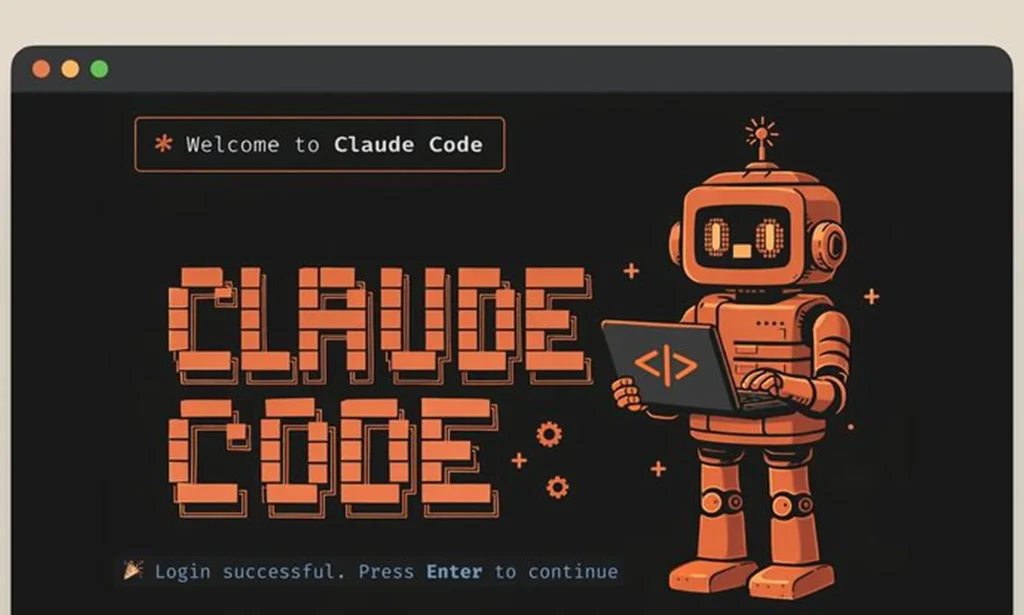
How I Built an AI Marketing Team with Claude Code in 2026 Building a marketing team once meant hiring writers, SEO experts, social media managers, strategists, and performance marketers. Every campaign required endless meetings, planning, approvals, revisions, and coordination between multiple people. But in 2026, that process is changing faster than most businesses expected.   AI is no longer just helping marketers write captions or generate blog ideas. It is now capable of running structured marketing workflows with memory, decision-making systems, automation, and operational logic that feels surprisingly close to a real marketing team.   Recently, I built an AI-powered marketing system using Claude Code, automation workflows, AI agents, and SEO-driven content operations. What surprised me most was not how advanced the technology was, but how simple the actual foundation became once everything was properly structured. The Conversation That Started Everything The entire project started with a single conversation.   I opened Claude Code and explained the business model, target audience, competitors, product positioning, and growth goals. I also connected SEO data so the AI could understand keyword rankings and content opportunities. Then I asked it to create a complete go-to-market strategy.   Instead of generic suggestions, the system produced a structured marketing roadmap with SEO content pillars, publishing strategies, blog topics, social media workflows, and execution timelines. That one conversation became the starting point for an entire AI-driven marketing operation.   From there, the system evolved naturally. Every new discussion added another layer to the workflow until the entire marketing process became organized, scalable, and increasingly autonomous. Stop Treating AI Like a Chatbot The biggest mindset shift came from changing how AI was approached.   Most people still use AI like a chatbot where every task requires a new prompt. But building an AI marketing team works much better when AI is treated like an employee with clear responsibilities instead of a tool waiting for instructions.   Every good employee needs workflows, operational guidelines, company context, and access to the right tools. The same principle applies to AI agents. Once the system was structured around responsibilities and documentation, the AI became far more reliable, consistent, and capable of handling complex marketing operations independently.   That was the point where it stopped feeling like automation and started feeling like a real team. Building the AI Marketing Team The marketing operation itself was divided into multiple specialized AI agents.   One handled strategy and coordination, another focused on long-form SEO content, while others managed social media engagement, analytics, and performance reporting. The AI CMO acted as the central coordinator, assigning tasks, managing priorities, and tracking execution across the system.   This structure made the workflow significantly more efficient because every AI agent operated within a clearly defined role instead of trying to manage everything at once. The Power of Documentation One of the most interesting parts of the project was discovering that the entire system relied mostly on markdown files rather than complicated infrastructure.   Each AI agent had its own documentation file containing publishing workflows, operational rules, content guidelines, brand instructions, and system permissions. These files became the equivalent of employee handbooks for the AI team.   Instead of repeatedly explaining instructions during every session, the system continuously referenced structured documentation and followed predefined workflows automatically.   Ironically, the hardest part was never the technical setup. The real challenge was writing instructions clearly enough so the AI could consistently make smart decisions. Building an SEO-Driven Content Engine SEO quickly became one of the strongest advantages of the entire system.   The AI continuously analyzed keyword opportunities, search trends, competitor rankings, audience behavior, and content gaps. Based on that data, it automatically generated SEO-friendly blog structures, optimized metadata, internal linking strategies, and content distribution workflows.   Instead of manually planning every blog post, the system operated like a scalable SEO engine focused on long-term organic growth.   This significantly reduced content production time while improving publishing consistency and search visibility across platforms. More importantly, the content strategy became data-driven instead of purely instinct-based. Making AI Content Feel Human Maintaining a human tone became extremely important throughout the process.   One of the biggest problems with AI-generated content is that it often feels robotic, repetitive, and emotionally disconnected. To avoid that, the system focused heavily on conversational writing, platform-specific communication styles, audience context, and natural engagement patterns.   The goal was never to make the AI sound overly polished or artificial. The goal was to make the marketing feel authentic while still benefiting from automation and scale.   That balance became one of the biggest reasons the system worked effectively. Why Structure Matters More Than Automation Another major lesson became clear very quickly: automation without structure creates chaos.   Without clear workflows, operational systems, and documentation, AI-generated marketing becomes inconsistent. Brand voice weakens, duplicate actions happen, content quality drops, and the overall strategy loses direction.   The real advantage came from combining intelligent automation with structured systems and continuous optimization. Every mistake became a rule update, every insight improved future workflows, and every successful campaign strengthened the system over time.   That compounding effect is what makes AI marketing operations so powerful in 2026. The Future of AI Marketing Teams The future of marketing is no longer about isolated AI tools.   It is moving toward complete AI-powered operational systems capable of managing SEO workflows, content production, social media marketing, campaign optimization, analytics, and performance reporting at scale.   Businesses that successfully combine human creativity with intelligent automation will scale significantly faster than traditional marketing teams.   The future is not AI replacing marketers.   The future is marketers building smarter systems where AI handles execution while humans focus on creativity, strategy, and decision-making. About Socialmantra AI Marketing Agency Socialmantra is an AI-powered creative marketing agency helping modern brands grow through intelligent automation, branding, performance marketing, SEO strategy, and digital innovation.   We combine human creativity with AI-driven systems to build scalable marketing operations that improve visibility, engagement, and business growth

Uncategorized

How AI Marketing Automation Works in 2026

How AI Marketing Automation Works in 2026 Marketing in 2026 has completely transformed from traditional advertising and bulk messaging into intelligent, data-driven customer experiences powered by Artificial Intelligence. Businesses no longer rely only on manual campaigns or generic communication. Instead, AI marketing automation helps brands deliver personalized content, optimize campaigns in real time, and automate complex marketing workflows with speed and accuracy.   AI marketing automation combines technologies like machine learning, predictive analytics, natural language processing, and large language models to understand customer behavior and improve marketing performance automatically. Modern AI systems analyze browsing activity, purchase history, email engagement, social interactions, and customer preferences to predict what users are most likely to do next.   Based on these insights, businesses can automatically send personalized emails, recommend products, optimize advertising campaigns, and improve customer engagement without constant human effort. Personalization at Scale One of the biggest reasons businesses are adopting AI marketing automation is personalization at scale. Earlier, marketers had to create the same campaign for thousands of users. In 2026, AI allows businesses to create unique experiences for every individual customer.   A user visiting an eCommerce website may instantly receive personalized recommendations, targeted ads, or automated follow-up emails based on their behavior within seconds. This level of automation improves customer experience while also increasing conversion rates and marketing ROI. How AI Marketing Automation Works AI marketing automation works through a continuous cycle of data collection, AI processing, campaign execution, and optimization.   Businesses collect customer data from websites, CRM platforms, social media channels, ad platforms, and email campaigns. AI models then process this data to identify audience patterns, buying intent, engagement behavior, and future opportunities.   Based on these predictions, automation systems automatically trigger campaigns and continuously improve them using real-time feedback and performance data. Technologies Behind AI Marketing Machine learning plays a major role in modern AI marketing systems. It helps businesses predict customer actions, identify high-quality leads, reduce churn, and improve audience targeting.   Natural Language Processing (NLP) powers AI-generated content, chatbots, customer conversations, and automated communication systems. Large Language Models like GPT are now widely used for writing blogs, email campaigns, ad copy, and social media content while maintaining brand consistency and speed.   These technologies allow businesses to automate repetitive tasks while improving accuracy, efficiency, and customer engagement. AI Marketing Across Industries Businesses across industries are rapidly adopting AI-powered marketing systems.   eCommerce brands use AI for abandoned cart recovery, smart recommendations, and automated customer journeys. SaaS companies use AI for lead nurturing, onboarding automation, and predictive lead scoring.   Healthcare and financial businesses are also leveraging AI to improve customer engagement while maintaining compliance and personalization.   Several AI marketing tools dominate the market in 2026, including HubSpot, Klaviyo, ActiveCampaign, Jasper AI, Intercom Fin, Google Performance Max, and Meta Advantage+.   These platforms help businesses automate workflows, optimize campaigns, generate AI-powered content, and improve overall marketing performance using real-time data and intelligent automation. Challenges & Risks Despite its advantages, AI marketing automation also comes with challenges.   Poor-quality data, privacy compliance issues, over-automation, and loss of human creativity can negatively impact customer trust and brand identity. Businesses must ensure that AI supports their marketing strategy rather than replacing authentic communication completely.   Human oversight remains important for maintaining creativity, emotional connection, and strategic direction. Future of AI Marketing The future of AI marketing automation is moving toward agentic AI systems that can independently plan, launch, test, and optimize campaigns with minimal human input.   AI is becoming more autonomous, predictive, and capable of handling full customer journeys across multiple platforms. As technology continues to evolve, brands that successfully combine human creativity with intelligent automation will lead the future of digital marketing. About Socialmantra AI Marketing Agency Socialmantra is an AI-powered creative marketing agency helping modern brands grow through intelligent automation, branding, performance marketing, and digital innovation.   We combine human creativity with AI-driven strategies to build scalable marketing systems that increase visibility, engagement, and business growth.   Our focus is on helping startups, SaaS businesses, eCommerce brands, and modern companies scale faster using AI-first marketing solutions.   Our Services:   • AI Marketing Automation• Branding & Creative Design• Performance Marketing• SEO & Content Strategy• Social Media Marketing• Website & Landing Page Design• Lead Generation Systems• AI-Powered Growth Solutions   At Socialmantra, we believe the future belongs to businesses that combine creativity, technology, automation, and data-driven decision-making to create meaningful customer experiences. The real power of AI UGC generation is not just lower production cost. The biggest advantage is testing velocity. Brands are no longer relying on one or two ad creatives. Instead, they are launching multiple hooks, offers, avatars, and messaging angles simultaneously to identify winning combinations faster. Creative fatigue remains one of the biggest reasons advertising performance declines. AI UGC tools help solve this problem by making it easier to produce fresh variations continuously. Brands that consistently test new creatives maintain stronger engagement rates and lower acquisition costs over time. The fastest-growing ecommerce brands in 2026 are treating creative production like a performance system rather than a design task. Instead of spending weeks creating a single campaign, they generate and test large volumes of content every week, allowing platform algorithms to identify the strongest-performing ads quickly.

Uncategorized

How to Make Viral AI UGC Ads in 2026

How to Make Viral AI UGC Ads in 2026 1. Why AI UGC Ads Are Taking Over Social Media In 2026, the biggest advantage in digital advertising is no longer just budget. The brands growing the fastest are the ones producing more creative variations, testing faster, and adapting quickly to audience behavior. Traditional polished ads are losing effectiveness while authentic-looking short-form videos are driving stronger engagement across Meta, TikTok, Instagram Reels, and YouTube Shorts.   User-generated content has become the foundation of modern performance marketing because consumers trust content that feels natural and relatable. AI UGC video generation has accelerated this trend by allowing brands to create realistic creator-style videos without filming, creator management, or expensive production setups.   Instead of waiting weeks for creators to shoot content, brands can now generate ad creatives in minutes using AI avatars, product images, and conversion-focused scripts. This shift is helping ecommerce businesses scale content production while reducing operational costs and creative delays. 2. The Psychology Behind Viral AI UGC Ads Viral AI UGC ads succeed because they feel native to the platform instead of looking like traditional advertisements. Consumers today instantly recognize overly polished ads, which is why conversational and realistic content performs significantly better.   The first few seconds of a video are critical because they determine whether users continue watching or scroll away. Strong hooks, emotional triggers, and relatable storytelling help capture attention quickly. High-performing AI UGC ads also focus heavily on specificity. Instead of generic marketing claims, they highlight realistic experiences, direct customer pain points, and believable outcomes.   Modern audiences respond more positively to videos that feel authentic, simple, and emotionally connected. AI tools help generate the visuals quickly, but strategy still controls performance. Strong messaging, audience alignment, and clear storytelling remain essential for creating high-converting campaigns. 3. The AI UGC Workflow Brands Are Using The AI UGC workflow in 2026 is built around speed and scalability. Brands begin by selecting AI avatars that closely match their target audience. This improves relatability and increases trust because viewers naturally engage more with people who reflect their lifestyle or interests.   After selecting the avatar, marketers create short-form scripts optimized for performance marketing. Most successful scripts follow a simple structure that includes a hook, problem, emotional tension, product solution, proof, and call to action. Conversational language consistently outperforms corporate-style messaging because it feels more natural on social platforms.   Once the script is ready, brands upload product visuals that help anchor the content visually. AI UGC platforms then combine the script, avatar, and product visuals into ready-to-run vertical videos designed for paid advertising and organic distribution.   This workflow allows brands to generate multiple creative variations rapidly without relying on long production timelines or expensive creator collaborations. 4. Why Creative Testing Is the Real Growth Strategy The real power of AI UGC generation is not just lower production cost. The biggest advantage is testing velocity. Brands are no longer relying on one or two ad creatives. Instead, they are launching multiple hooks, offers, avatars, and messaging angles simultaneously to identify winning combinations faster.   Creative fatigue remains one of the biggest reasons advertising performance declines. AI UGC tools help solve this problem by making it easier to produce fresh variations continuously. Brands that consistently test new creatives maintain stronger engagement rates and lower acquisition costs over time.   The fastest-growing ecommerce brands in 2026 are treating creative production like a performance system rather than a design task. Instead of spending weeks creating a single campaign, they generate and test large volumes of content every week, allowing platform algorithms to identify the strongest-performing ads quickly. 5. How AI UGC Ads Improve Ecommerce Funnels AI UGC ads are now being integrated across every stage of the customer journey. At the top of the funnel, brands use short-form videos focused on attention-grabbing hooks and customer pain points to increase awareness and stop scrolling behavior.   In the middle of the funnel, testimonial-style videos, product demonstrations, and comparison-based creatives help build trust and strengthen purchase intent. These ads educate audiences while positioning the product as the solution to a specific problem.   At the bottom of the funnel, AI UGC creatives focus on objections, urgency, guarantees, and conversion-driven messaging. Personalized retargeting ads help brands increase ROAS by delivering relevant messaging to users who have already interacted with products or landing pages.   Because AI-generated content can be produced rapidly, brands can now create highly targeted messaging for different audience segments without increasing production complexity. 6. The Future of AI UGC Advertising The future of advertising is moving toward AI-powered creative systems focused on speed, personalization, and continuous optimization. Production is no longer the biggest challenge. The real competitive advantage now comes from testing faster, learning quicker, and adapting creative strategies based on real audience behavior.   Brands that adopt AI UGC workflows are building scalable content systems that allow them to launch campaigns faster while reducing production friction. As advertising competition continues increasing across social platforms, businesses that improve creative efficiency will gain a major advantage in performance marketing.   AI UGC generation is not replacing storytelling or creativity. Instead, it is helping brands accelerate content production, test more ideas, and scale authentic advertising faster than ever before.   At Socialmantra AI Marketing Agency, we help brands build AI-powered UGC advertising systems designed for performance, scalability, and modern consumer behavior. From AI-generated creatives and Meta Ads scaling to performance marketing and conversion optimization, we combine creativity with AI-driven workflows to help businesses grow faster in the evolving digital landscape.

Uncategorized

How a Creative Agency Shapes the Future of Modern Branding

How a Creative Agency Shapes the Future of Modern Branding Introduction The most common question business owners ask about their brand isn’t “does it look good?” — it’s “does it stick?” In a market where attention is fragmented and every category is crowded, the brands that grow consistently are the ones that people remember when they’re ready to buy. At Socialmantra, we work with businesses that want to build a brand that does something specific: makes the right people pay attention, trust what they see, and come back. How branding has changed A brand used to mean a logo, a tagline, and a consistent color on the truck. Today’s brand is the sum of every interaction a customer has with a company — the website, the social content, the customer service conversation, the way complaints are handled, the values the brand publicly stands for. Modern branding is more demanding than traditional branding, but it’s also more powerful when done well. A brand that earns genuine trust and emotional connection with its audience retains customers better, acquires new ones more efficiently through word of mouth, and competes more effectively on factors other than price. What a creative agency actually does A creative agency builds and maintains the system that makes a brand function. That starts with strategy: understanding who the brand is for, what it offers that genuinely differs from alternatives, how it should be positioned in its market. Without this foundation, design and content are expensive guesswork. Visual identity — the logo, color palette, typography, photography style, and layout principles — is built on top of that strategy. It’s not chosen because it looks nice in isolation; it’s chosen because it communicates the right things to the right people. Brand voice defines how the brand communicates in words: the level of formality, the preferred vocabulary, how it talks about its category. Voice consistency across every piece of content builds the familiarity that audiences eventually recognize without being told who they’re dealing with. Modern versus traditional branding Traditional branding was one-directional. Brands broadcast messages and audiences received them. Modern branding is interactive and ongoing. Brands are expected to have opinions, respond in real time, engage with criticism as well as praise, and demonstrate their values through behavior, not just communication. The brands that navigate this well build relationships that survive a bad product launch, a price increase, or a competitor with a bigger ad budget. Why strong branding reduces long-term marketing costs A strong brand attracts customers at a lower acquisition cost than a weak one because recognition and trust do some of the work that paid advertising would otherwise have to do entirely on its own. People who already know a brand don’t need to be convinced from scratch — they need to be reminded and given a reason to act now. The investment in getting the brand right at the foundation pays returns across every marketing channel for as long as the brand exists. The Socialmantra approach We work with businesses to build brands that are clear, consistent, and distinctive enough to be memorable without a large budget. Our process starts with understanding the business: what it actually does well, who it’s genuinely for, and what it needs its brand to achieve. The measure of good branding isn’t whether it looks impressive in a presentation. It’s whether it makes the right people pay attention, trust what they see, and choose the brand when it matters.

Uncategorized

Social Media Design Trends 2026 for Higher Engagement

Social Media Design Trends 2026 for Higher Engagement Introduction Social media in 2026 rewards the first second. Users scroll quickly, algorithms surface content based on early engagement signals, and a post that doesn’t create an immediate visual reason to stop gets passed over before the caption is read. At Socialmantra, we approach social media design as a combination of visual craft and strategic thinking. Good design choices aren’t arbitrary — they’re informed by how people actually behave on each platform and what kind of visual identity builds recognition over time. Story-driven visual content Static posts that present information without narrative context consistently underperform posts that take users through a progression. A carousel that opens with a problem the audience recognizes, develops through evidence or explanation, and resolves with a clear insight or action keeps users swiping. Content designed with narrative structure builds the kind of engagement that platforms reward and audiences remember. Bold and minimal design The visual noise on social feeds has increased as content production has become easier. The counterintuitive response that works in 2026 is restraint. Minimal designs with strong typography, a limited color palette, and clear visual focus stand out precisely because they’re surrounded by content trying to do too much at once. Authentic, human-centered visuals Audiences have become skilled at distinguishing genuine content from content that has been over-produced to look genuine, and they respond to the former with more trust and engagement. Real people in real environments, unscripted expressions, and situations that feel recognizable rather than aspirational connect more effectively than photography styled for a catalogue. Platform-specific design strategy Instagram, LinkedIn, TikTok, and YouTube have different audiences, different content formats, and different visual languages. Brands that invest in platform-specific design — adapting the same message to the format and expectations of each channel — consistently outperform brands that distribute identical content everywhere. Building a recognizable visual identity Recognition is a compounding asset on social media. When users can identify your content before seeing your name — because the visual style, the color palette, or the typography is consistently distinctive — every piece of content you publish benefits from all the content that came before it. Calls to action that feel natural Direct selling on social media has become progressively less effective as audiences have grown more sophisticated about being marketed to. The calls to action that work in 2026 feel like natural extensions of the value the content provides — inviting further engagement rather than demanding it.

Uncategorized

Website Design Trends 2026 for Higher Conversions

Website Design Trends 2026 for Higher Conversions Introduction In 2026, your website is the primary sales tool for most businesses — the place where interest becomes intent, and intent becomes action. Users make judgments about a website within seconds, and those judgments are largely visual and experiential before they’re rational. At Socialmantra, we design websites with conversion as the outcome measure, not aesthetics. Good design in 2026 isn’t about looking current — it’s about reducing friction, building trust, and guiding users toward decisions they were already inclined to make. Human-first design The clearest trend in high-converting website design right now is simplicity — not minimalism as a stylistic choice, but genuine functional clarity. Layouts that help users find what they need quickly, typography that’s readable at any size, and content organization that matches how people actually think about a problem. Pages designed around one primary decision at a time convert consistently better than pages that optimize for comprehensiveness. AI-powered personalization Websites increasingly adapt to individual users rather than serving identical experiences to everyone. AI-driven personalization can change which services are featured based on a returning user’s browsing history, adjust calls to action based on where someone came from, and surface the most relevant content for a specific audience segment. Storytelling-driven structure The most effective website structures in 2026 don’t present information — they guide users through a narrative. The page identifies the user’s problem, makes clear why that problem matters, presents a solution, builds evidence that the solution works, and then makes it easy to take the next step. Trust-focused design Conversion depends on trust, and trust is communicated through design before it’s communicated through words. Clean, consistent layouts signal professionalism. Clear contact information and physical addresses reduce anonymity. Real customer testimonials — specific, attributed, and unpolished — build more confidence than marketing copy. Speed and performance Load time is a conversion factor, not just a technical metric. Users abandon pages that take more than three seconds to load. Optimizing images, reducing third-party script load, and building on performant infrastructure are all design decisions as much as they are technical ones. Accessibility Accessible design improves conversion rates for everyone, not just users with disabilities. Large, readable text, sufficient color contrast, logical heading structure, and form labels that work with screen readers all contribute to a cleaner, clearer experience that benefits every user. Accessibility is also an SEO factor.

Uncategorized

Digital Marketing in the Era of AI: Strategy Over Automation

Digital Marketing in the Era of AI: Strategy Over Automation Introduction Digital marketing has adapted to every major technology shift — search engines, social media, mobile, and programmatic advertising. AI is different from those shifts in one specific way: it doesn’t just change a channel or a tool. It changes how decisions get made across every part of marketing. In 2026, the brands getting the strongest results aren’t necessarily the ones with the largest AI budgets. They’re the ones that have figured out how to combine AI’s capability for speed and data processing with the strategic and creative judgment that still requires humans. From guesswork to precision Before AI became a practical marketing tool, a lot of campaign decisions were educated guesses. AI changes this by processing real-time signals and predicting outcomes before a campaign finishes. Instead of waiting for a campaign to conclude and analyzing the results, marketers can see what’s working while the campaign runs and adjust accordingly. Scalable personalization Personalization at scale was impossible without AI. A human team can customize communication for dozens of segments; AI can customize it for millions of individuals. The practical result is marketing that feels relevant rather than broadcast — content that matches what someone is actually interested in, email sequences that respond to individual behavior, product recommendations that account for session activity rather than just purchase history. Content in the age of AI AI can generate a draft blog post, a set of social captions, or an email sequence in minutes. This is genuinely useful for production volume. The posts that actually build brand authority, earn backlinks, and develop an audience over time are the ones that contain real expertise, original perspective, and specific information that readers can’t find summarized elsewhere. The most effective content teams in 2026 use AI to handle the production work while human writers and strategists focus on the ideas, the expertise, and the voice that makes the content worth reading. The changing role of marketers Automation has reduced the manual execution work that once consumed a large share of every marketing team’s time. This hasn’t reduced the need for skilled marketers — it’s changed what those skills need to be. The value now sits in strategy, creative direction, audience understanding, and the ability to evaluate AI outputs with genuine judgment rather than accepting them uncritically. Standing out when everyone has the same tools When AI tools are accessible to every brand, access to the technology stops being a competitive advantage. The differentiator becomes what you do with it — the strategy behind the automation, the creative quality of the content the AI is working with, the brand identity that gives every touchpoint a consistent and recognizable character.

Uncategorized

How AI is Transforming Digital Marketing in 2026

How AI is Transforming Digital Marketing in 2026 Introduction AI has moved from being a topic at marketing conferences to being a working part of how campaigns are built, optimized, and measured. In 2026, the brands growing fastest aren’t necessarily the ones with the biggest budgets — they’re the ones that have figured out how to use AI to move faster, target more precisely, and build more relevant experiences at scale. Hyper-personalization The personalization considered impressive three years ago now feels basic. In 2026, AI allows brands to create experiences that adapt in real time to individual user behavior, preferences, location, and intent signals. Website content changes for different visitors. Email sequences branch based on what someone actually clicks. Product recommendations update based on session behavior, not just purchase history. Smarter content creation and optimization AI tools have significantly reduced the time it takes to go from a content idea to a published post. The more important shift is in content strategy. AI can analyze which topics are gaining traction, which questions in your category aren’t being answered well by current content, and which pieces of existing content are underperforming their potential. The content that actually builds brand authority comes from real expertise and original thinking. The value is in using AI to identify where to focus and how to improve, while keeping the actual substance of the content human. Predictive analytics AI has changed the timing of marketing decisions. Instead of analyzing what happened in last month’s campaign and adjusting for next month, predictive analytics allows marketers to act on what’s likely to happen before it does. AI models can identify which leads are most likely to convert, predict when a customer is approaching churn, and surface which products a returning buyer is likely to purchase next. AI in paid advertising Paid advertising platforms now use AI to continuously optimize targeting, bidding, and creative rotation without requiring manual adjustment after launch. The system identifies which audience segments are responding, which creative formats are converting, and where budget should move in real time. The marketer’s role shifts from execution to setting strategy and evaluating results. Data privacy and ethical AI Customers are more aware of how their data is used than they were two years ago. Brands that treat data privacy as a compliance checkbox rather than a genuine commitment to their customers are building on fragile ground. Ethical AI practices — transparent data collection, genuine consent, and clear explanations of how personalization works — are increasingly a competitive differentiator, not just a regulatory requirement.

Scroll to Top