Social Mantra

Uncategorized

Uncategorized

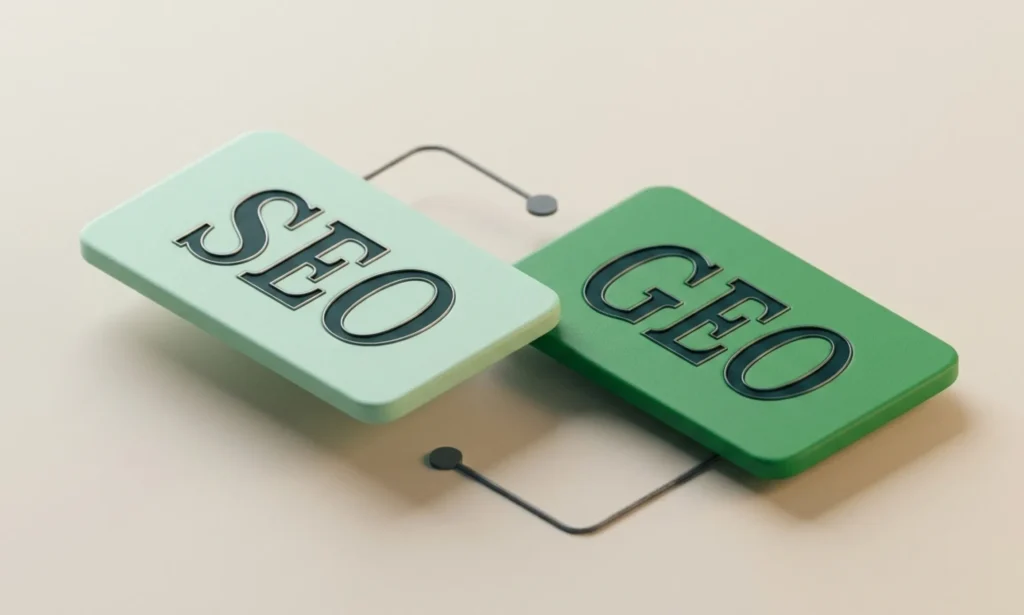
GEO vs Search Engine Optimization: What Matters Now

GEO vs SEO: What Matters Now Introduction For years, digital marketing followed a predictable pattern. Build content, optimize for search engines, drive traffic, convert visitors. It worked consistently and the rules were well understood. In 2026, something changed — not catastrophically, but quietly. Traffic numbers held steady for many brands, but conversions started dropping. People were still searching, but they were increasingly getting answers directly from AI tools rather than clicking through to websites. At Socialmantra, this shift has been visible across multiple client industries, and optimizing only for traditional SEO now leaves a significant visibility gap. This is where Generative Engine Optimization, or GEO, becomes relevant. What GEO is Generative Engine Optimization is the practice of structuring and writing content so that AI platforms choose it as the answer they deliver to users. Where traditional SEO competes for position on a search results page, GEO competes to be the source that an AI tool summarizes, cites, or quotes when answering a question directly. AI systems evaluate content differently. They prioritize content that is clear, well-structured, authoritative, and directly responsive to the question being asked. If your content buries the answer in three paragraphs of preamble, an AI will skip it in favor of a source that answers immediately. GEO versus traditional SEO Traditional SEO and GEO are not in opposition — they address different aspects of the same visibility problem. Traditional SEO improves your position on search engine results pages and drives direct click-through traffic. GEO improves the likelihood that AI tools reference your content when answering questions in your area of expertise. The most effective content strategy in 2026 does both. The difference is in the emphasis: traditional SEO rewards breadth of keyword coverage, while GEO rewards precision, clarity, and direct answers. Building a GEO strategy An answer-first approach is the most practical starting point. Your content should respond to the user’s actual question within the first paragraph, not after an introduction that explains what the article is going to do. Leading with the answer directly is the single most effective change most brands can make to their existing content. Content depth also matters. A post that thoroughly covers a topic — answering the main question and then addressing the adjacent questions a reader would naturally ask next — is more useful to AI systems and to human readers than a post that answers only the headline query. Structure is what makes content accessible to AI parsing. Clear headings, logical progression from question to answer, and well-defined sections allow AI tools to extract specific information efficiently. Common mistakes to avoid The most common mistake in GEO is treating it as a purely technical optimization problem and missing the communication element. AI systems are choosing content that is genuinely useful to users — content that answers questions clearly, provides real information, and doesn’t bury its value in generic filler. Poorly organized content makes it harder for AI to extract what’s useful. Good structure isn’t a formatting preference; it’s a functional requirement in GEO.

Uncategorized

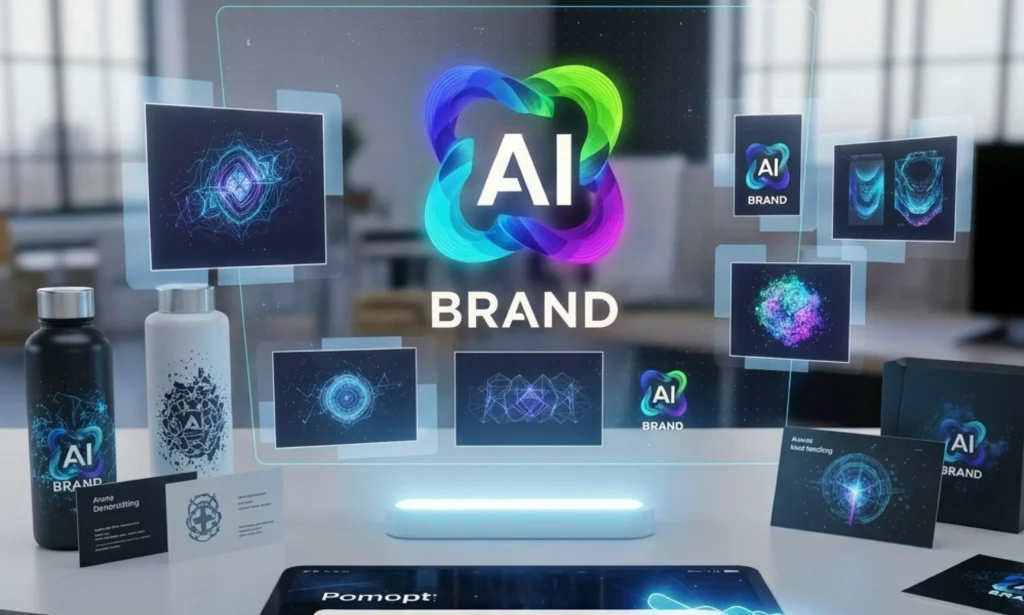
Brand as an AI Agent: The Future of Autonomous Branding

Brand as an AI Agent: The Future of Autonomous Branding Introduction Branding has always adapted to the technology available. The current shift is different in one important way: AI doesn’t just give brands new tools to use — it gives brands the ability to operate independently, making decisions and interacting with customers without constant human oversight. The idea of a brand operating as an AI agent is worth taking seriously. Not because it replaces the need for brand strategy or creative direction, but because it changes the scope of what a brand can do. What an AI brand agent is An AI brand agent is a system that can interact with customers, make decisions based on data, and manage marketing tasks without a human approving each action. It operates within a framework of predefined brand guidelines and applies those rules at a scale and speed that human teams can’t match. How AI changes brand strategy Autonomous decision-making is the most significant capability AI brings to brand strategy. Instead of waiting for a campaign review cycle, AI systems can respond to real-time data — shifting creative, changing targeting, or updating responses based on what’s actually working right now. Hyper-personalization is the other major shift. AI brand agents can analyze individual user behavior and deliver content, offers, and communication that are genuinely relevant to each person. At scale, this level of personalization was previously impossible. Continuous learning means the system improves over time. Each customer interaction generates data that refines how the brand communicates, which messages work for which audiences, and where in the journey people need more support. Challenges worth taking seriously The biggest risk in autonomous branding is losing brand consistency. When an AI system adapts constantly based on performance data, there’s a genuine risk that it drifts away from the brand’s intended identity. Preventing this requires defining the brand’s mission, values, and voice with enough precision that they can be embedded as hard constraints in the system. The balance between automation and authenticity is harder to maintain than it looks in theory. Fully automated communication can start feeling transactional in a way that erodes long-term brand equity even while short-term metrics look healthy. The Socialmantra approach to AI branding The brand identity, tone of voice, and positioning need to be defined clearly before automation can be trusted with them. AI extends what a well-built brand can do; it doesn’t substitute for building the brand correctly in the first place. Our approach is to build that foundation carefully, then use AI to scale it.

Uncategorized

How AI is Used in the Branding Design Process

How AI is Used in the Branding Process Introduction AI has changed the pace of creative work, and branding is no exception. Content can be drafted faster, research takes less time, and certain repetitive tasks that used to eat hours can now be handled in minutes. But the more important question isn’t what AI can do — it’s how to use it without compromising the thing that makes branding worth doing in the first place: originality. At Socialmantra, we use AI as a tool within a process that’s still led by strategy and human judgment. Why transparency matters here There’s real concern among clients about how much of their brand might be generated rather than crafted. The worry is understandable: a brand built primarily by AI risks sounding like every other AI-generated brand — technically competent, but hollow. The brands that stand out have a point of view, a specific voice, and creative choices that reflect the people and business behind them. We use AI to go faster and to check our work — not to skip the thinking. How AI supports brand strategy When an idea is clear in your head but difficult to express in writing, AI is useful for exploring different ways to phrase it. It acts as a sounding board for messaging — a quick way to compare variations of a positioning statement, sharpen a sentence that isn’t quite landing, or test different tones before settling on the right one. It doesn’t generate the strategy; it helps articulate it more precisely. AI also helps verify whether a tagline, phrase, or brand name already exists in common use. Originality is non-negotiable in branding, and running an idea through an AI check before presenting it to a client is a practical quality control step. How AI supports brand design In the research phase of visual branding, AI helps explore symbolism, visual associations, and concept directions quickly. When presenting brand concepts, mockups need placeholder content — product descriptions, website copy, advertising headlines — so clients can see how the brand will actually look in real applications. AI can generate this content quickly, which means better presentations without spending days writing temporary copy. Naming brand elements — color palettes, design tokens, product line names — is another area where AI contributes useful ideas. The final decision always involves human judgment about what fits the brand’s personality. What AI doesn’t do AI works from patterns in existing data. It is very good at producing content that fits a template and sounds generally correct. What it can’t do is make a genuinely original creative judgment — deciding that a brand should use an unexpected visual metaphor, or building the strategic narrative that makes a brand feel coherent rather than assembled. At Socialmantra, AI supports the process. The creative direction, the brand strategy, and the storytelling decisions come from the team.

Uncategorized

Integrated Marketing Campaigns That Drive Results

Integrated Marketing Campaigns That Drive Results Introduction People encounter your brand across multiple channels before they ever make a decision — a social ad here, a search result there, an email, a retargeting banner. If these touchpoints feel disconnected, the cumulative effect is confusion rather than confidence. An integrated marketing campaign delivers a unified message across every platform and channel at once, so that each touchpoint reinforces the others rather than competing with them. What integrated marketing campaigns are Integrated marketing campaigns align paid advertising, social media, email marketing, content marketing, and offline promotions under a single message and visual identity. When executed well, this approach improves brand recall, builds trust faster, and increases conversions by reducing the cognitive effort required to understand what your brand stands for. Why an integrated strategy matters Marketing efforts that run independently of each other tend to underperform relative to their budget. A social campaign with one tone, email communications in another voice, and ads with a completely different visual identity creates a fragmented experience that feels untrustworthy. An integrated strategy also makes reporting cleaner: when all channels support the same campaign goal, it’s easier to measure what’s actually working. The role of creativity in campaigns A distinctive visual identity, a memorable tagline, or a genuinely interesting campaign concept is what makes someone pause their scroll. Once you’ve earned attention, consistency is what turns it into recall. The brands that stay in people’s minds long after a campaign ends are the ones that paired a strong creative concept with consistent execution across every platform. Campaign example: creating a unified brand experience One example of how integrated marketing solves a real business problem involves a growing global brand that had inadvertently built an inconsistent identity. Their digital ads, landing pages, and offline materials had been produced by different teams over time and no longer felt like they came from the same company. The solution was a structured design system built to work across every format — consistent colors and typography applied to both digital and print materials, a single unified messaging framework that each channel adapted rather than replaced, and scalable templates that allowed faster content creation without sacrificing cohesion. The result was a brand that felt immediately recognizable regardless of where a customer encountered it. How Socialmantra builds integrated campaigns Socialmantra approaches integrated marketing by starting with strategy before touching creative. We define the campaign goal, the target audience, and the core message before any design or copy is produced. From there, we build a creative framework that works across channels — paid ads, social media, email, and content all adapted from the same foundation rather than created independently.

Uncategorized

E-Commerce Web Design Trends 2026: Strategies to Boost Conversions and Sales

E-Commerce Web Design Trends 2026: Strategies to Boost Conversions and Sales Introduction Online retail is more competitive than it’s ever been, and the gap between stores that convert well and stores that don’t is increasingly a design gap. Customers have more options and less patience. They make decisions about a website within seconds, and a slow checkout or confusing product page sends them straight to a competitor. In this guide, Socialmantra covers the e-commerce web design trends that are actually moving the needle in 2026 — the ones that improve conversion rates, reduce cart abandonment, and build the kind of user experience that earns repeat customers. AI-powered personalization Generic product pages are losing out to personalized shopping experiences. AI allows e-commerce stores to show each user a version of the site that reflects their behavior, preferences, and purchase history — recommending products based on what they’ve browsed, dynamically adjusting homepage content, and surfacing offers that are actually relevant. The starting point for most stores is simpler than it sounds: use your existing customer data to power product recommendations and measure whether it changes add-to-cart rates. Micro-interactions that improve engagement Add-to-cart animations, button feedback, smooth transitions between pages, and instant confirmation messages make a website feel responsive and trustworthy without the user consciously noticing them. When these elements are absent or sluggish, the experience feels cheap. When they’re done well, they reduce confusion during key actions and make the overall experience feel considered. Advanced product visualization The biggest conversion barrier in e-commerce is that customers can’t physically interact with what they’re buying. In 2026, the most competitive stores are closing that gap with high-quality photography from multiple angles, zoom features that show material texture and detail, short product videos, and 360-degree views. Augmented reality features have moved from novelty to expectation in certain product categories. Better product visualization directly reduces hesitation and return rates. A simpler, faster checkout experience Cart abandonment at checkout is largely a design problem. Multi-step checkout processes, forced account creation, hidden shipping costs that appear at the last step, and limited payment options are all solvable with better design. The most effective e-commerce checkouts are one-page or minimal-step, support guest checkout, pre-fill fields where possible, display total cost including shipping before the final confirmation, and support fast payment options like Apple Pay and Google Pay. Mobile-first design Mobile devices account for the majority of e-commerce browsing and a significant share of purchases. Mobile-first design means fast load times, touchable buttons that aren’t too small or too close together, navigation that works with a thumb, and a checkout flow that doesn’t require zooming or horizontal scrolling. Minimalist design with strategic white space Cluttered product pages overwhelm users and split attention away from the things that drive purchase decisions — the product image, the price, and the buy button. Minimalist e-commerce design removes visual noise and uses white space deliberately to guide the eye. Clean layouts, a limited color palette, and strong visual hierarchy let the product do the work. Social proof and user-generated content Customer reviews, user photos, and real purchase behavior are more persuasive than any copy your brand writes about itself. The most effective e-commerce stores treat social proof as a design element — placing reviews near add-to-cart buttons, showing real customer photos alongside studio shots, and displaying real-time purchase notifications for high-converting products. Advanced search and smart filters Poor search functionality is one of the most overlooked conversion problems in e-commerce. Modern e-commerce search includes auto-complete suggestions, smart filters that update in real time, visual search options for fashion and home decor categories, and natural language processing that understands what someone means even when they don’t use the exact product name.

Uncategorized

Healthcare Website Design: Best Practices to Build Trust & Improve Patient Experience

Healthcare Website Design: Best Practices to Build Trust & Improve Patient Experience Introduction A healthcare website is no longer just an online brochure. It’s a working part of how patients interact with providers — before they ever walk through the door. Today, patients search symptoms, compare providers, read reviews, and book appointments online. If your website creates friction anywhere in that process, users don’t complain; they just leave and find someone else. At Socialmantra, we approach healthcare website design differently from general web design. The stakes are higher. The users are often anxious or in a hurry. And the expectations — for clarity, trust, and ease — are more demanding than almost any other industry. Aligning patient needs with business goals A successful healthcare website has to hold three things in balance: what patients need (clarity, accessibility, and reassurance), what the business needs (efficiency, reduced call volume, and appointment growth), and what clinical accuracy requires. When these elements work together, the website reduces friction for everyone — patients find what they need faster, staff handle fewer basic inquiries, and the business sees measurable improvement in bookings and portal usage. Before any design work begins, it’s worth defining specific goals. What’s the current appointment booking rate? Where are users dropping off? How many support calls could a better FAQ page eliminate? These questions make the design process more purposeful and give you a clear way to measure whether the final product is working. Research-driven healthcare design Good healthcare UX starts with understanding how patients actually behave online, not how providers assume they do. Patients visiting healthcare websites are often anxious, confused, or under time pressure. Their emotional state directly affects how they interact with content, navigation, and forms — and design that ignores that reality creates unnecessary friction. Real research includes patient interviews, website analytics, and user testing with people who represent your actual audience. It also means understanding the internal workflows of the doctors, admin staff, and clinical teams who use the site every day. A booking system that works for the front desk but confuses patients is a design failure regardless of how good it looks. Mapping the patient journey Every patient follows a path, and your website has to support each step without dropping them. A typical journey starts with searching symptoms or services, moves through exploring doctors and treatment options, checking insurance details, booking an appointment, and eventually accessing reports or follow-up information. Poor design creates friction at each of these steps — confusing navigation, slow-loading pages, or multi-screen forms that people abandon halfway through. A well-designed healthcare website removes those barriers by thinking through what information a patient needs at each point in their decision, and making sure that information is there when they need it. This directly affects appointment completion rates and patient retention. Information architecture that simplifies complexity Healthcare information can genuinely overwhelm people. There’s a lot of it, it matters, and patients often don’t have the background to navigate it easily on their own. A clear information architecture solves this by organizing content so that finding the right specialist, understanding a procedure, or locating the patient portal doesn’t require guesswork. Simple navigation menus, organized service pages, well-filtered doctor directories, and logical content categories all reduce the cognitive load on someone who is already dealing with a health concern. When information is easy to find, patients spend more time on your website and trust your brand more. Content strategy that builds trust Medical language can feel intimidating even to educated readers. Content on a healthcare website needs to be clear and accurate at the same time — simplified enough that a patient can understand their options, but precise enough that it holds clinical credibility. Good healthcare content uses plain language, explains procedures from the patient’s perspective, and acknowledges uncertainty where it exists rather than papering over it with generic reassurance. Content that respects the reader builds far more trust than content that talks down to them or hides behind jargon. Designing critical patient flows The most important interactions on a healthcare website need to work flawlessly. Finding a doctor, booking an appointment, checking insurance coverage, and accessing the patient portal are the flows that matter most to users. If any one of these is confusing or broken, users abandon the website — and sometimes abandon the provider entirely. These flows need to be designed with the minimum number of steps possible, clear progress indicators, and simple error handling when something goes wrong. Doctor profiles should show qualifications, patient ratings, and availability in a way that’s immediately scannable. Insurance information should be presented in plain language, not policy terms. Visual design that builds confidence Healthcare websites have to look and feel trustworthy before users read a single word of content. That means clean layouts without clutter, typography that’s easy to read at any age, and a color palette that feels calm rather than clinical. Real photography of doctors, facilities, and staff builds more confidence than stock imagery. Consistency across pages signals professionalism — and inconsistency, even in small things, creates doubt. Accessibility and inclusive design A healthcare website that excludes elderly users, people with disabilities, or users with limited technical experience isn’t meeting its purpose. Accessible design means text that’s large enough to read without squinting, navigation that works with a keyboard or screen reader, sufficient color contrast, and forms that don’t require ten fields to complete a simple task. Accessibility improvements also benefit SEO performance, which helps more patients find you in the first place. Continuous optimization through data Healthcare UX is not a one-time project. User behavior changes, technology evolves, and new patient needs emerge. Tracking appointment conversion rates, form completion rates, portal usage, and page-level engagement gives you the data to keep improving over time. The websites that perform best over time are the ones that treat launch as a starting point, not a finish line.

Uncategorized

Inbound Marketing Strategy: A Smart Way to Grow Your Brand Organically

Inbound Marketing Strategy: A Smart Way to Grow Your Brand Organically Introduction Most people don’t want to be sold to. They want to find the right answer, compare their options, and make decisions on their own terms. That shift in buyer behavior is why inbound marketing has become the default growth strategy for businesses that want long-term results without depending entirely on paid ads.   Inbound marketing works by making your brand genuinely useful before asking for anything in return. You attract the right people through SEO, content, and social media — and because they found you rather than the other way around, they trust you more from the first interaction. That trust shortens sales cycles and improves retention in ways that outbound campaigns rarely can. What is Inbound Marketing Inbound marketing is a strategy built around creating content that answers the questions your ideal customers are already searching for. Instead of reaching out to people directly, you build content that pulls them toward you — blog posts, tutorials, videos, and social content that helps them understand their problem and positions your brand as someone who genuinely gets it. A design agency, for example, attracts potential clients by publishing content about design systems, UI trends, or common branding mistakes. The reader learns something useful. The agency demonstrates real expertise. By the time that reader needs design work, they already know who to call. Why inbound marketing works Inbound marketing reduces your cost per lead over time because content keeps working after you publish it. A well-optimized blog post from 18 months ago can still pull in qualified traffic today. Paid ads stop the moment you stop spending — content compounds. It also attracts better leads because someone who found you through a specific article already understands what you do and why it matters. They’ve self-selected. You’re not convincing a stranger; you’re continuing a conversation with someone who raised their hand. Customers research before they buy, and this is true across almost every industry. Brands that show up during that research phase with clear, useful information earn credibility that competitors running only ads simply can’t match over time. The 4 stages of inbound marketing The attract stage is about getting the right people to your website, not just more of them. SEO, blog content, social media, and video all contribute here. The goal is traffic from people who are likely to need what you offer — not mass reach. Once someone arrives, the convert stage is about giving them a reason to stay in touch. Landing pages, lead magnets, and free resources like guides or templates give visitors something valuable in exchange for their contact details. These aren’t tricks — they’re genuine exchanges. The close stage is where leads become paying customers. Email sequences, follow-ups, and personalized communication help people move from interested to committed. The content here gets more specific: case studies, comparisons, product demos that speak to someone already considering a decision. The delight stage is where most brands check out too early. The relationship doesn’t end at the sale. Customers who feel supported after purchase become repeat buyers and refer others. Post-purchase content, onboarding support, and regular helpful communication turn a transaction into a long-term relationship. Key inbound marketing strategies Content marketing is the engine of inbound. Blog posts, guides, videos, and case studies work together to attract and educate the right audience. The key is writing for real questions, not just search volume — content that actually helps someone is what earns backlinks, shares, and trust. SEO ensures that content reaches the people searching for it. Without proper optimization, even genuinely useful content can sit unread. On-page SEO, internal linking, technical performance, and keyword research are what connect your content to the audience it was written for. Social media extends content reach and builds presence over time. Consistent, authentic engagement — not scheduled broadcast posting — is what builds a following that actually pays attention. Each platform rewards brands that show up like people, not publishers. Personalization improves conversion rates significantly. When you tailor content and messaging based on what someone has already looked at or asked about, the experience feels relevant rather than generic, and relevant experiences convert. Email marketing keeps leads warm and moves them through the funnel at the right pace. Automated sequences let you stay present at the right moments without requiring manual effort for every follow-up. AI tools are now a practical part of inbound marketing — improving keyword research, content optimization, audience segmentation, and campaign performance tracking at a scale that wasn’t accessible before. Who benefits from inbound marketing Inbound works across business types, though it shows up differently depending on the model. Startups use it to build awareness without a large ad budget. Service businesses use content to pre-qualify leads and attract clients who already understand the value of what they’re paying for. E-commerce brands drive organic traffic and turn one-time buyers into repeat customers through content and email. B2B companies use inbound to nurture prospects through longer sales cycles where multiple stakeholders need to build confidence before committing. SaaS businesses apply it to both acquisition and retention — helping users get more value from the product, which reduces churn. Inbound vs outbound marketing Outbound marketing sends a message and hopes someone is ready to receive it. Print ads, cold calls, display banners — the targeting is broad and the timing is largely guesswork. Inbound takes the opposite approach: you create content that people find when they’re already looking, which means the timing is almost always right. Neither approach is irrelevant. Outbound still works for certain goals, particularly at the awareness stage for newer brands in competitive markets. But the economics of inbound improve the longer you invest in it, while outbound costs stay constant regardless of how long you’ve been running campaigns. How inbound marketing supports long-term growth The compounding nature of inbound is what separates it from most other marketing channels. Content and SEO generate traffic over

Scroll to Top